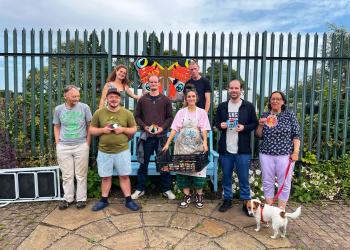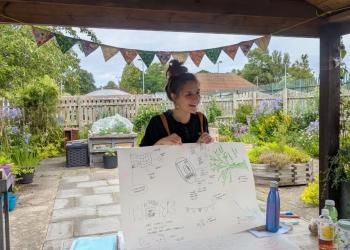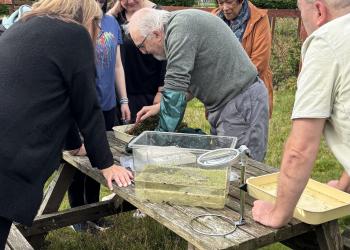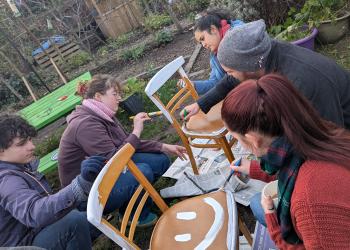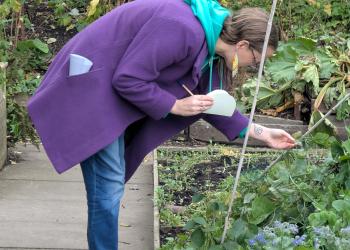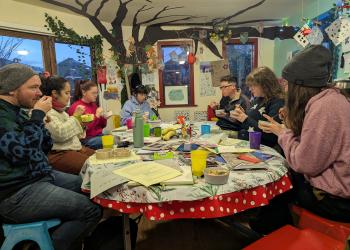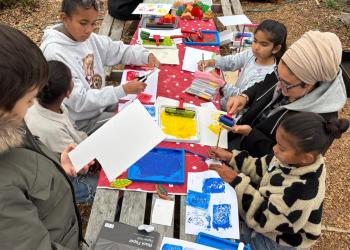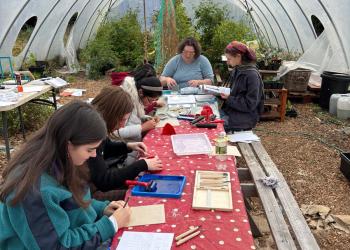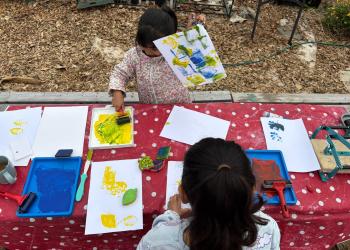
Aiming to strengthen connections between people, nature, and climate action through artist residencies in community gardens across Dundee. The project brought artists and local communities together to explore themes of biodiversity, sustainability, food growing, wellbeing, and environmental stewardship. Through creative workshops, collaborative making, and public engagement, the project celebrated the vital role community gardens play in building resilient, greener neighbourhoods, while fostering new relationships between art, nature, and climate awareness.

The Art and Nature Collective
Go To WebsiteAddressed Challenges:
- Health and Wellbeing
- Food Security and Supply
- Biodiversity Loss
Action Areas:
- Biodiversity and Nature
- Land Use, Food and Agriculture
Initiative Purpose:
- Adaptation
The Story
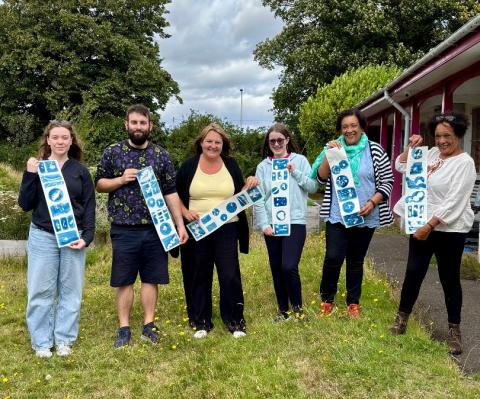
The Creative Gardens project was developed to strengthen connections between people, place, and climate action through creativity. Supported by the Dundee Climate Fund and delivered by The Art & Nature Collective, the project placed artists in community gardens across Dundee, creating opportunities for local people to engage with environmental issues in ways that were accessible, inspiring, and meaningful.
Community gardens already play a vital role in Dundee. They provide spaces for food growing, biodiversity, wellbeing, social connection, and environmental education. However, much of this work often happens quietly and can go unseen by the wider public. The project recognised that artists can help tell these stories, encourage deeper engagement, and create new ways for communities to connect with the natural world around them. Through a series of artist residencies, creative workshops, and public events, the project brought together gardeners, residents, volunteers, families, and community groups to explore themes including biodiversity, sustainability, climate resilience, food growing, and our relationship with nature. Each artist responded to the unique character of their garden, working alongside local people to create artwork inspired by the site, its wildlife, its history, and the community that cared for it.
The need for the project emerged from growing concerns around climate change, biodiversity loss, social isolation, and declining access to nature. While these challenges can often feel overwhelming, Creative Gardens sought to create positive, hopeful spaces where people could come together, learn from one another, and take part in practical and creative climate action. By combining art and environmental engagement, the project encouraged participants to see themselves as active contributors to healthier, more resilient communities.
A wide range of organisations helped make the project possible. The Dundee Climate Fund provided essential financial support, enabling both the creative residencies and community engagement activities to take place. The project was delivered in partnership with community gardens across Dundee, whose staff, volunteers, and users welcomed artists into their spaces and shared their knowledge, experiences, and enthusiasm. The Art & Nature Collective coordinated the programme, supporting artists and helping to connect creative practice with environmental action.
The project has demonstrated the power of collaboration between artists, communities, and environmental organisations. Beyond the artworks produced, its legacy lies in the conversations started, the relationships built, and the increased awareness of the important role community gardens play in tackling climate and biodiversity challenges. By celebrating these spaces through creativity, Creative Gardens has helped inspire new connections between people and nature and encouraged greater appreciation for the environmental work happening across Dundee every day.
Success & Outcomes
We increased awareness of biodiversity and climate issues and gained positive feedback and repeated attendance. Artists gained new skills and experience and partnerships were developed between local artists and community gardens. We hope to continue creative gardens in the future by applying for more funding using the incredible response we had to this project.
Advice for others looking to do something similar
The biggest piece of advice we would give is to start with relationships, not outcomes. The success of Creative Gardens came from working alongside community gardens, volunteers, and local residents rather than arriving with a fixed idea of what the project should be. Taking time to listen, understand the needs of each garden, and build trust created a much stronger foundation for meaningful engagement.
Before starting, we found it helpful to research existing community arts, environmental engagement, and place-based projects. Looking at examples of artists working with communities, biodiversity projects, and creative climate initiatives helped us understand what worked well and where there were gaps. We also spent time speaking with garden coordinators and community groups before designing activities, ensuring the project responded to real needs rather than assumptions.
One of the most valuable aspects of the project was partnership working. Community gardens already hold a huge amount of knowledge, expertise, and local trust. Artists brought different skills, perspectives, and ways of engaging people. Neither could have achieved the same outcomes alone. Our advice would be to treat partners as collaborators from the beginning and allow projects to evolve through those relationships.
Flexibility is essential. Weather, volunteer availability, seasonal changes, and community priorities can all affect delivery. Some of the most successful moments came from adapting plans and responding to what was happening on the ground rather than rigidly sticking to a timetable.
We were also reminded that climate conversations do not always need to start with climate change. Many people connected first through creativity, gardening, wellbeing, food growing, wildlife, or simply spending time outdoors. These became natural pathways into broader conversations about sustainability, biodiversity, and environmental stewardship. If we were doing the project again, we would build in even more time for documentation and evaluation from the outset. When delivering workshops and events it is easy to focus on activity, but capturing stories, photographs, feedback, and long-term impacts is incredibly valuable for future funding, partnerships, and demonstrating success.
Finally, don't underestimate the power of small-scale local action. Community gardens may appear modest in size, but they are often hubs of climate resilience, biodiversity, education, and social connection. By celebrating and supporting the work already happening in these spaces, Creative Gardens demonstrated that meaningful climate action can begin at a neighbourhood level and grow through creativity, collaboration, and community ownership. The most important lesson we learned is that art can act as a bridge — helping people connect emotionally with environmental issues, see familiar places differently, and imagine positive futures together.